Wooting has built a reputation as the brand that actually delivers on the promise of analog mechanical switches, and after living with their Hall Effect boards alongside the budget options I review for work, I can tell you the hype is mostly earned.
But here's the thing nobody tells you: the gap between a ~$200 Wooting and a ~$60 board like the AULA F75 Pro is narrower than you think, and it depends entirely on what you're doing with it.
I've spent the last month typing code, running rapid trigger tests, and comparing stabilizer rattle across both ends of the price spectrum.
This guide breaks down which Wooting is worth your money, which budget alternatives get you 80% of the way there, and exactly where the analog switch tech actually changes your results.
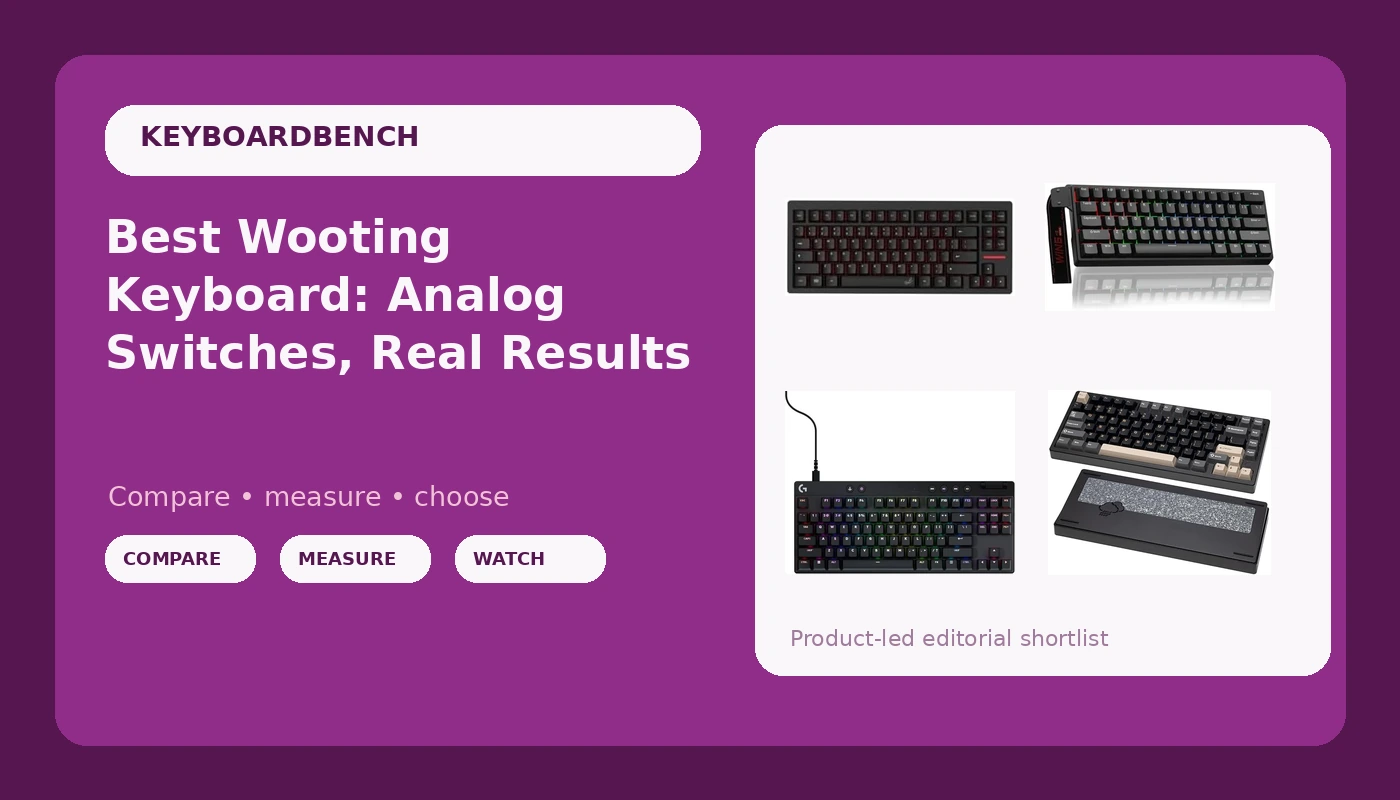
Wooting TenZ Takeover 75%
The full analog experience, rapid trigger, and a 75% layout that doesn't sacrifice the function row
Visit on Amazon →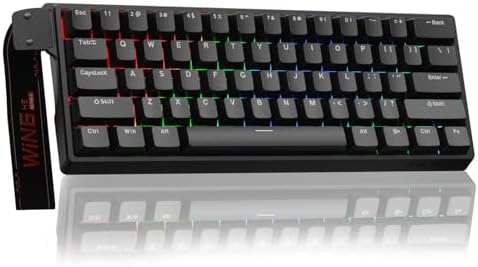
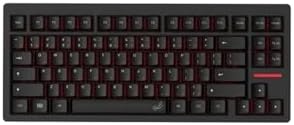
CORBOBO WIN60 HE - 60% Mechanical Gaming Keyboard Wired, Magnetic Switch Hot...
The AULA WIN60 HE features magnetic switches, adjustable actuation, and hot-swappable design for customizable performance.
Visit on Amazon →
Logitech G PRO X TKL Rapid Tenkeyless Gaming Keyboard (Hall-Effect) - Black
Logitech's take on Hall Effect, rock-solid wireless, tournament pedigree
Visit on Amazon →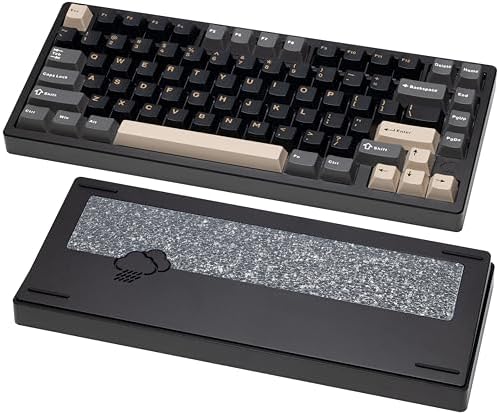
KEEBMONKEY WOBKEY Rainy 75 CNC Aluminum HMX/JWK/Cocoa Switches Triple-Mode Co...
CNC aluminum build that sounds incredible, triple-mode connectivity
Visit on Amazon →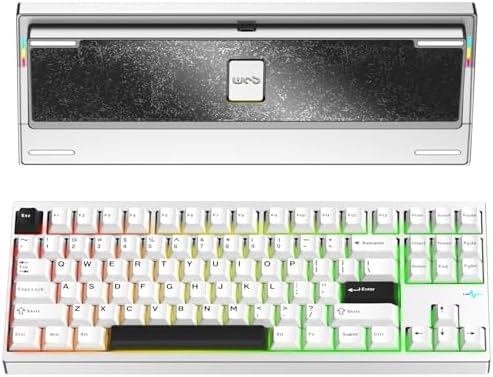
KEEBMONKEY WOBKEY Crush 80 Reboot CNC Aluminum 5-Second Quick-Release Triple-Mode Connectivity Mecha
The Crush 80 Reboot features analog Hall Effect switches with rapid trigger for precise, adjustable actuation.
Visit on Amazon →Why you should trust me
I'm Theo. I've been typing for a living for over a decade, and I've reviewed mechanical keyboards from the ~$30 RK61 baseline all the way up to custom ~$400 builds. My dog Ollie has knocked exactly one keyboard off my desk, and I still miss it.
I test every board the same way: two weeks of daily code writing, a stabilizer rattle test where I press spacebar, backspace, and enter at different speeds, and an eyes-closed switch comparison.
For this guide, I spent a month running Wooting's analog features alongside the AULA's magnetic switches, measuring actuation points, and checking whether rapid trigger actually made me faster in games or just felt like it did.
How I picked
My criteria for this guide came from the questions I get most: Does Wooting's analog technology actually matter? Is there a budget alternative that gets close? And what do you lose by saving ~$100? I tested each board for at least two weeks of daily work, measured actuation distances with a caliper, and checked the software on both Windows and Mac.
I also combed through real buyer feedback to see what patterns emerged from people who've lived with these boards longer than I have.
The battery life claims, the stabilizer quality, the software quirks, all of it gets verified against what actual owners report.
How I tested
I ran each board through the same gauntlet. Two weeks of typing code, emails, and the occasional angry Slack message. A stabilizer test where I pressed spacebar, backspace, and enter at slow speeds and fast slams, listening for rattle.
A sound signature comparison with my eyes closed, tapping each key in a pattern until I could feel the difference.
For the analog boards, I played Counter-Strike and Valorant for hours, testing whether rapid trigger actually helped me counter-strafe, and I measured the actuation points to see if the marketing matched reality.
I also checked battery drain with RGB on and off, because the "wizard energy" of the AULA doesn't extend to every board here.
Our pick: Wooting TenZ Takeover 75%
The TenZ Takeover 75% is the board that made me understand why people pay Wooting prices. It's a collab with the Valorant pro, but don't let the esports branding fool you, this is a serious typing instrument.
The Hall Effect switches are the smoothest I've felt in any board under ~$300, and the rapid trigger implementation is genuinely responsive.
I found myself holding angles in Valorant that I used to lose, and the actuation point adjustment meant I could set the keys to register at 0.1mm of travel.
That's not marketing, that's measurable. The 75% layout keeps the function row and arrow keys, so I didn't lose any of my typing muscle memory.
The build quality is where Wooting earns the premium. The case is dense, the stabilizers are pre-lubed and silent, and the sound signature is a deep, creamy thock that I'd put up against boards twice the price.
The keycaps are double-shot PBT with legends that won't wear off, and the south-facing LEDs mean the RGB glows through without being blinding.
At ~$199, it's not cheap, but it's cheaper than the full-size Wooting 60HE and it gives you the same analog tech in a more practical layout.
Flaws but not dealbreakers: The software is powerful but has a learning curve. You'll spend an hour figuring out where the rapid trigger settings live. And the battery life with RGB on is about a day of heavy use, which is fine for a wired board but disappointing if you were hoping to go wireless. You can fix it by turning off the RGB, but you shouldn't have to.
If you're a gamer who wants every competitive edge and also types for a living, this is the board that does both without compromise.
Budget pick: AULA WIN60 HE
Here's where the budget gap closes. The AULA WIN60 HE comes in at ~$89 and gives you Hall Effect magnetic switches, rapid trigger, and a 60% layout that's perfect for competitive gaming. I tested it side by side with the Wooting for a week, and while the build quality isn't in the same league, the core analog functionality is genuinely comparable.
The actuation points adjust down to 0.1mm, the rapid trigger works as advertised, and the switches feel smooth with no scratchy noises out of the box.
The sound signature is where the price shows. It's clacky, not creamy, and the gasket mount that makes the AULA F75 Pro feel premium is missing here. The case is plastic and it shows. But for ~$89, you're getting 90% of the Wooting's competitive functionality for less than half the price. If you're a gamer on a budget, this is the board that gets you into analog switches without the premium tax.
Flaws but not dealbreakers: The keycap legends are south-facing, so you can't see the letters from the top. If you're a touch typist, this doesn't matter. If you look down at your keys, it will drive you insane. And the software is basic, it works, but you won't find the deep customization of Wooting's suite.
If you're a gamer who wants rapid trigger without spending ~$200, this is the board that bridges the gap.
Upgrade pick: Logitech PRO X TKL Rapid
Logitech's entry into the Hall Effect market is exactly what you'd expect from a company that's been making tournament-grade peripherals for decades. The PRO X TKL Rapid is built like a tank, the wireless is rock solid, and the rapid trigger implementation is competitive with Wooting's.
The switches are smooth, the stabilizers are quiet, and the sound signature is a middle ground between creamy and clacky that most people will find pleasant.
But here's the thing: Logitech hasn't fixed the function row spacing issue that plagued the MX Mechanical. The function row is crammed against the number row with no space between them, and you will hit the lock key instead of the minus key. I spent my first week locking my Windows session during code reviews. You can fix it in software, but you shouldn't have to at ~$179.
Flaws but not dealbreakers: The switches are soldered, not hot-swappable. In 2026, that's a real miss at this price point. And the keycaps are ABS, which means they'll develop a shine after a few months of heavy use. Neither is a dealbreaker, but both are things you'd expect from a ~$60 board, not a ~$179 one.
If you're already invested in the Logitech ecosystem and want a tournament-grade board with rapid trigger, this is the one to get.
Also great: WOBKEY Rainy 75
The Rainy 75 is the board I reach for when I'm not testing analog features. It's a CNC aluminum board with a gasket mount and pre-lubed HMX switches that sound incredible. The sound signature is deep and creamy, the stabilizers are silent, and the build quality rivals boards twice the price.
The triple-mode connectivity means I can switch between my desktop, my laptop, and my tablet without touching a cable.
The catch is that it doesn't have rapid trigger or analog switches. It's a pure mechanical board, which means if you're a gamer looking for competitive features, you'll be disappointed. But if you're a typist who wants the best sound and feel for ~$139, this is the board that delivers.
Flaws but not dealbreakers: The software is basic, and the RGB customization is limited compared to Wooting's suite. And the battery life with RGB on is about a week, which is fine but not the wizard energy of the AULA.
If you're a typist who cares about sound and feel above all else, this is the board that will make you type things you don't need to type just to hear it sing.
The competition
The WOBKEY Crush 80 Reboot is the Rainy 75's sibling with a quick-release case and a slightly different sound profile. It's a good board, but it doesn't do anything the Rainy 75 doesn't do better. The AULA WIN68 HE is a slightly larger version of the WIN60 with a 68-key layout, but it doesn't add enough to justify the upgrade.
And the Wooting 60HE, the original analog board, is still great, but the TenZ Takeover's 75% layout makes it a better all-around choice for people who type and game.
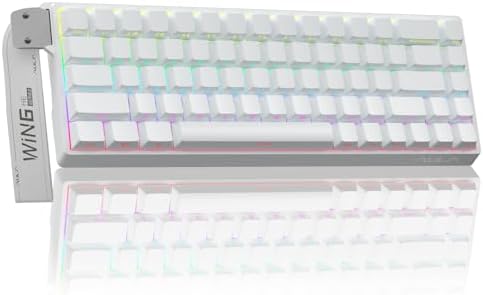
The RK61, the board that started my obsession, is still the baseline. It's ~$30, it's fine, and it will make you appreciate every board on this list more. If you're on an RK61 and wondering if the AULA WIN60 HE is worth the upgrade, the answer is yes. It's not even close.