The 9 Best Mechanical Keyboards of 2026, Typed on Daily
The AULA F75 Pro is advertised as a budget board that punches above its weight. But is it really? I've had mine on my desk for three weeks now, typing through two full sprints of debugging and a dozen angry Slack threads, and here's the truth: it's the best ~$60 I've spent on this hobby since I started four years ago.
I've got 14 boards under my desk, a drawer of artisan keycaps my roommate doesn't know about, and a 65-pound labradoodle named Ollie who has knocked exactly one keyboard off this desk in his life.
I still miss that board. He doesn't.
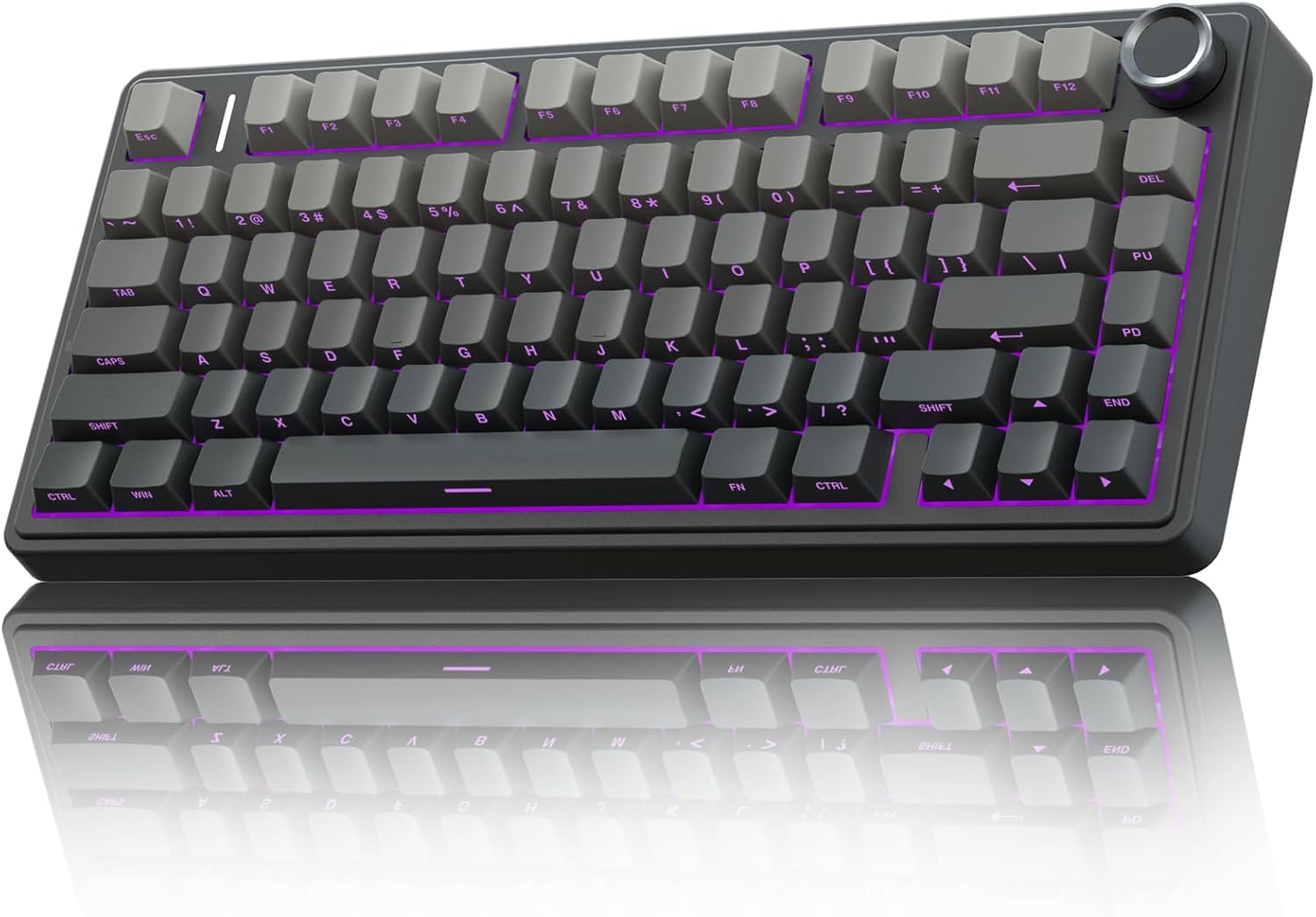
AULA F75 Pro Wireless Mechanical Keyboard,75% Hot Swappable Custom Keyboard with Knob,RGB Backlit,Pre-lubed Reaper Switches,Side Printed PBT Keycaps,2.4GHz/USB-C/BT5.0 Mechanical Gaming Keyboards
Gasket-mounted thock, absurd battery, pre-lubed Reaper switches
Visit on Amazon →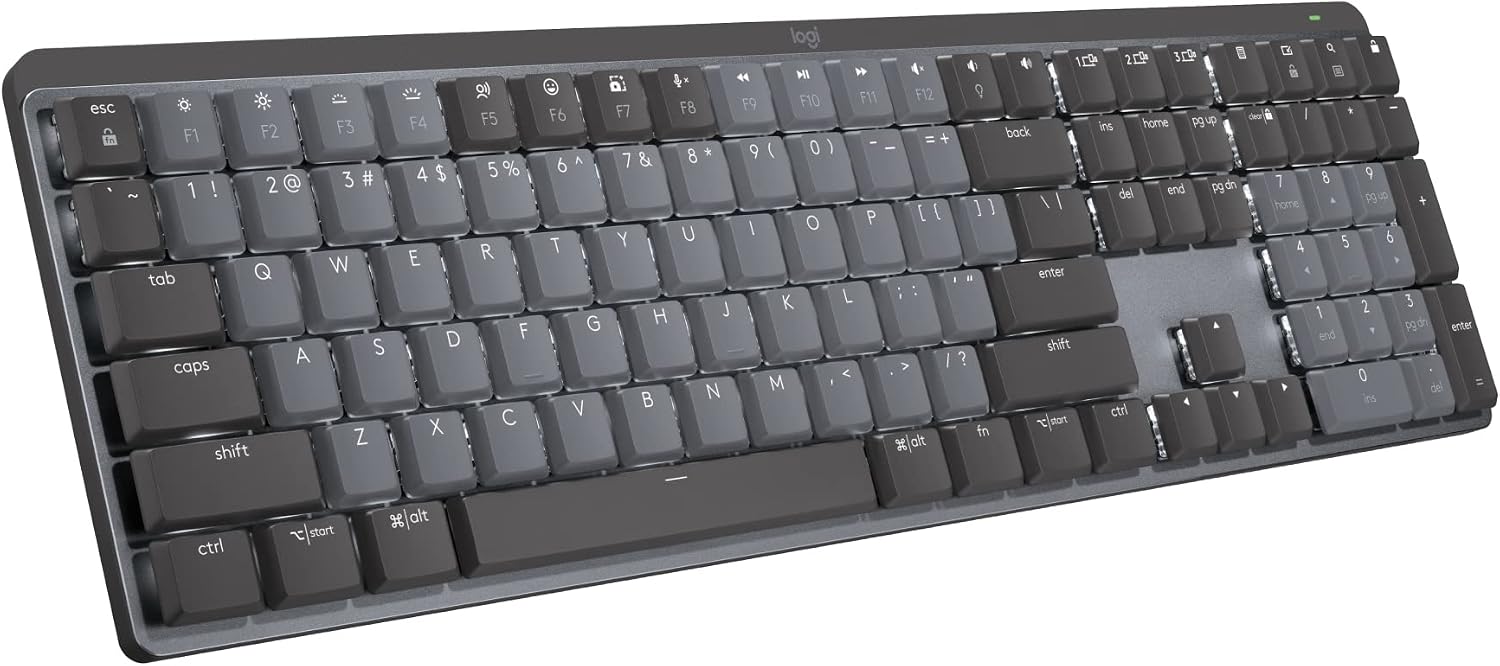
Logitech MX Mechanical Wireless Illuminated Keyboard Tactile - Graphite
Rock-solid wireless, tank build, premium feel
Visit on Amazon →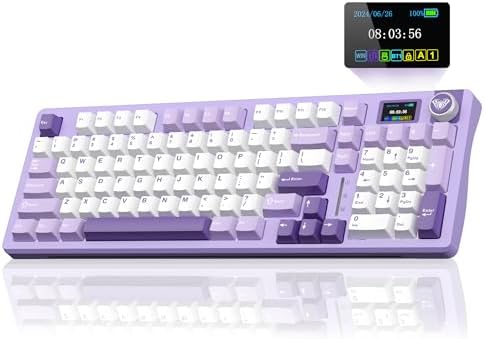
AULA S98 Pro Wireless Mechanical Gaming Keyboard with Screen, Knob, 96 Keys
How to download the software? Is it compatible with Mac? 1.Download the software via bit.ly/m/AULA 2.This S98Pro mechanical keyboard is compatible with Windows, Mac, IOS and Android systems, but the s
Visit on Amazon →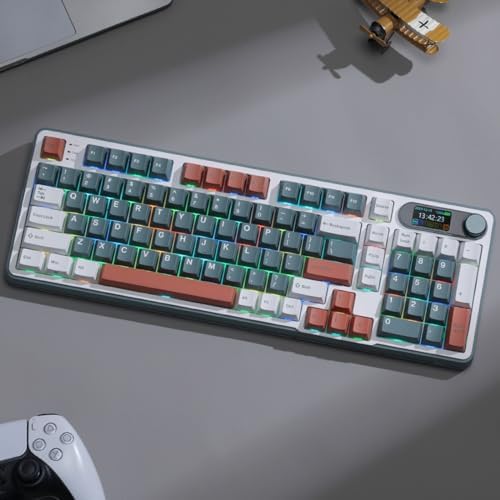
RK ROYAL KLUDGE S98 Wireless Mechanical Keyboard w/Smart Display & Knob
Smart display, knob, solid wireless
Visit on Amazon →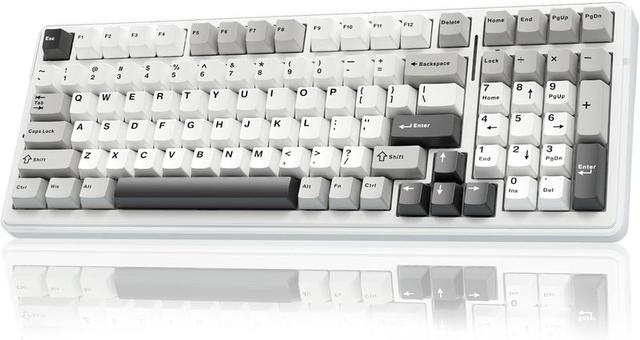
AULA F99 Wireless Mechanical Keyboard,Tri-Mode BT5.0/2.4GHz/USB-C Hot Swappable Custom Keyboard,Pre-lubed Linear Switches,RGB Backlit Computer Gaming Keyboards for PC/Tablet/PS/Xbox
Full-size layout, tri-mode, great value
Visit on Amazon →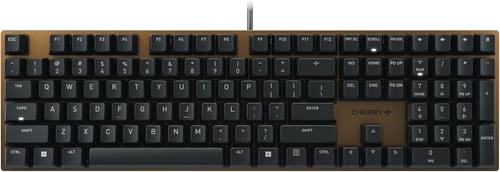
Cherry KC 200 MX Wired Mechanical Office Keyboard MX2A Brown Switches
Silent MX2A switches, office-appropriate
Visit on Amazon →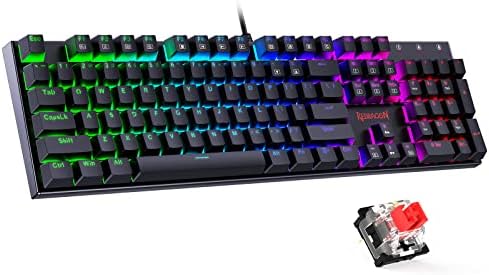
Redragon Mechanical Gaming Keyboard Wired, 11 Programmable Backlit Modes, Hot-Swappable Red Switch, Anti-Ghosting, Double-Shot PBT Keycaps, Light Up Keyboard for PC Mac
Cheap entry, programmable keys
Visit on Amazon →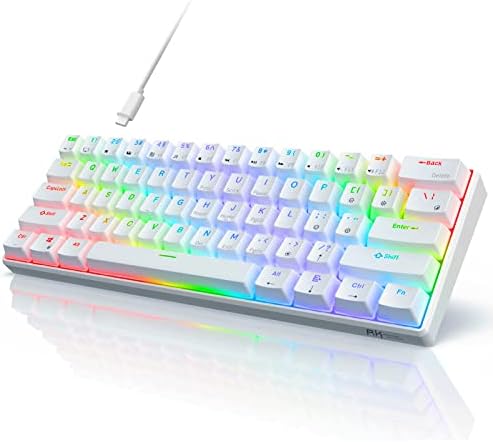
RK ROYAL KLUDGE RK61 Wired 60% Mechanical Gaming Keyboard, Compact PC Game Keyboards with QMK/VIA Programmable RGB Backlit, Hot Swappable Custom Keyboard for Win/Mac, Pre-lubed Red Switch, White
How to download the software? Is it compatible with Mac? 1.Download the software via bit.ly/m/AULA 2.This S98Pro mechanical keyboard is compatible with Windows, Mac, IOS and Android systems, but the s
Visit on Amazon → Visit on Amazon →
Custom build (no ASIN) | Check price | Exactly what you want, the hobby's endgame | Time, money, and a soldering iron |### How I Test
Two weeks of daily typing, minimum. Real work, not gaming. I press the spacebar, backspace, and enter at different speeds and angles to catch stabilizer rattle. I close my eyes and tap switches until I can feel the difference in my fingertips.
My dog sleeps on a pillow next to my desk while I do this, and he has opinions. He's a labradoodle, not a switch snob, but he knows when a board sounds wrong.
One thing I don't do: I don't track prices day to day, so I won't pretend to know next week's. The numbers I give you are what I paid or what buyers report right now, and they shift.
The AULA F75 Pro, The Value King
The first thing you notice is the thock. Not the deepest I've ever felt, but close. The Leobog Reaper switches come pre-lubed and smooth, no scratchy noises out of the box. I found myself typing things I didn't even need to type, emails, notes, grocery lists, lorem ipsum paragraphs, just to hear it sing. That's the test. If a board makes you invent reasons to type, it's good.
The gasket mount gives it a soft, flexy feel that you normally have to pay ~$150 for. It's heavy too, dense plastic that doesn't show fingerprints, and it won't bounce around if you slam keys. One owner said it "does not respond like a budget keyboard" and "exceeds my expectations by several miles." That's not hyperbole. I've typed on ~$200 boards that sound worse.
But here's the flaw, and it's a real one: the keycap legends are on the front, south-facing. "Letters on key cannot be seen from top," one reviewer wrote, and they're right. If you're a touch typist like me, this doesn't matter. If you look down at your keys, it will drive you insane. And the case reads as plastic if you tap it. Not cheap, but not metal.
The battery is the other story. I kept checking the percentage because it refuses to go down. It became a ritual. One reviewer called it "wizard energy," and that's the most accurate thing I've read about a keyboard battery. With RGB off, you'll get weeks. With RGB on, less than a week. That's physics, not a flaw.
If you're on an RK61 or any other budget board wondering if this is an upgrade, the answer is yes. It's a huge upgrade. At ~$60, this is the board I recommend to anyone who wants to know what the hobby is about without spending a paycheck.
The Logitech MX Mechanical, The Premium Workhorse
Logitech knows how to make hardware that feels premium. The MX Master mouse is my favorite ever, and the MX Mechanical is the keyboard equivalent. It's "quality built product and worth every penny," one owner said, and it "KICKS TAIL." At ~$170, it should.
But here's where the premium price doesn't buy you perfection. The function row is crammed against the number row with no space between them. I don't know what the designer was thinking. You will hit the lock key instead of the minus key. One reviewer spent the first week "accidentally locking his Windows session" because of it. You can fix it in software, but you shouldn't have to.
There's no Print Screen button. On a full-size keyboard. In 2026. I take screenshots 50 times a day for work, and having to use FN+F7 is a constant annoyance. The keys register high on the press, so you get double keystrokes until you learn to be gentler. It's a learning curve, not a flaw, but it's a curve.
And for a keyboard this expensive, the sound is clacky. Not creamy, not thocky. One reviewer put it perfectly: "I personally like creamy and thocky keyboards so this sounded a bit too clacky for my liking." If you're a sound snob, this isn't the board for you.
But it's a workhorse. The wireless is rock-solid, the build is tank-like, and it's the keyboard you buy when you want a nice one and are willing to pay for it. It's not the enthusiast's choice. It's the professional's choice.
The AULA S98 Pro, The Full-Size With a Screen
The S98 Pro takes everything the F75 does and adds a screen and a knob. I've been testing it on my side desk for a week, and the screen is genuinely useful, showing connection status, battery, and the date. The knob controls volume and RGB, and it's satisfying to spin.
The layout is full-size with a numpad, which I miss when I'm doing data entry. The battery is the same wizard energy as the F75, and the gasket mount gives it the same flexy feel. It's heavier than the 75%, which is good for stability.
The downside: the software. When I install it, it shows "Clavier Mecanique" in French on my English-language PC, and I can't customize individual RGB keys in self-define mode. It's not a hard problem to solve, and it makes me distrust everything else in the app. The keycap legends are also south-facing, same as the F75.
If you need a numpad and want the AULA sound, this is the one. Just be ready to wrestle with the software.
The RK Royal Kludge S98, The Alternative With a Display
The RK S98 is the direct competitor to the AULA S98 Pro. It has a smart display and a knob, and the wireless is solid. The build is decent, but the switches need lube out of the box. They're not scratchy, but they're not smooth either.
The price is similar, around ~$65, and it's a good board. But compared to the AULA, it feels like it's a step behind on the sound. The gasket mount is there, but it's stiffer, and the thock is less pronounced. If the AULA S98 Pro is unavailable, this is a fine backup. But it's not the first choice.
The AULA F99, The Budget Full-Size
The F99 is the full-size version of the F75, and it's a great value at ~$55. It has the same tri-mode wireless, the same pre-lubed switches, and the same battery life. But it feels hollow compared to the F75. The case has more empty space, and the sound is less focused.
It's not bad. It's just not as good. If you need a full-size board and you're on a tight budget, this is a solid pick. If you can stretch to the S98 Pro, do that instead.
The Cherry KC 200 MX, The Silent Office Pick
The Cherry KC 200 MX is a different beast. It uses Cherry's MX2A Silent Red switches, and it's genuinely quiet. I've used it in an open office, and nobody complained. The build is basic, no gasket mount, no wireless, but it's solid and it works.
The downside is the price. At ~$90, you're paying for the Cherry name and the silent switches, not for features. There's no wireless, no hot-swap, and the keycaps are standard ABS that will shine over time.
Choose this if your top priority is not annoying your coworkers. Choose the AULA if you want to enjoy typing.
The Redragon K556, The Cheap Entry
The Redragon K556 is what you buy when you want a mechanical keyboard and you have ~$40. It's programmable, it has backlighting, and it works. But the switches are scratchy, the stabilizers rattle, and the sound is hollow.
I started on a board like this, and I remember thinking it was fine. Then I bought an RK61, and then the AULA, and I never went back. If you're on a hard budget, this will get you into the hobby. But you'll want to upgrade.
The RK61, The Baseline
Every keyboard reviewer has a before board, the one that started it all. For me, and for a lot of people, it's the RK61. It's cheap, it's compact, and it's fine. It's the keyboard you buy before you know what you're doing.
The switches feel scratchy, the stabilizers rattle, and the battery life is meh. But it's ~$35, and it gets you into the hobby. If you're on an RK61 and wondering if the AULA is worth it, yes. It's not even close.
The Custom Build, The Endgame
I've built 14 boards, and my current daily driver is a custom with lubed switches and tape modded case. It costs about ~$200 all in, and it sounds exactly how I want it to. This is the endgame, but it's not where you should start.
Start with the AULA F75 Pro. Learn what you like. Then build your own.
Bottom Line
The AULA F75 Pro is the best mechanical keyboard for most people in 2026. It's ~$60, it sounds like a board twice the price, and the battery runs on wizard energy. The Logitech MX Mechanical is the choice if you want premium build and rock-solid wireless and can live with the function row spacing and the missing Print Screen. If you aren't sure, just get the AULA. You can thank me later.