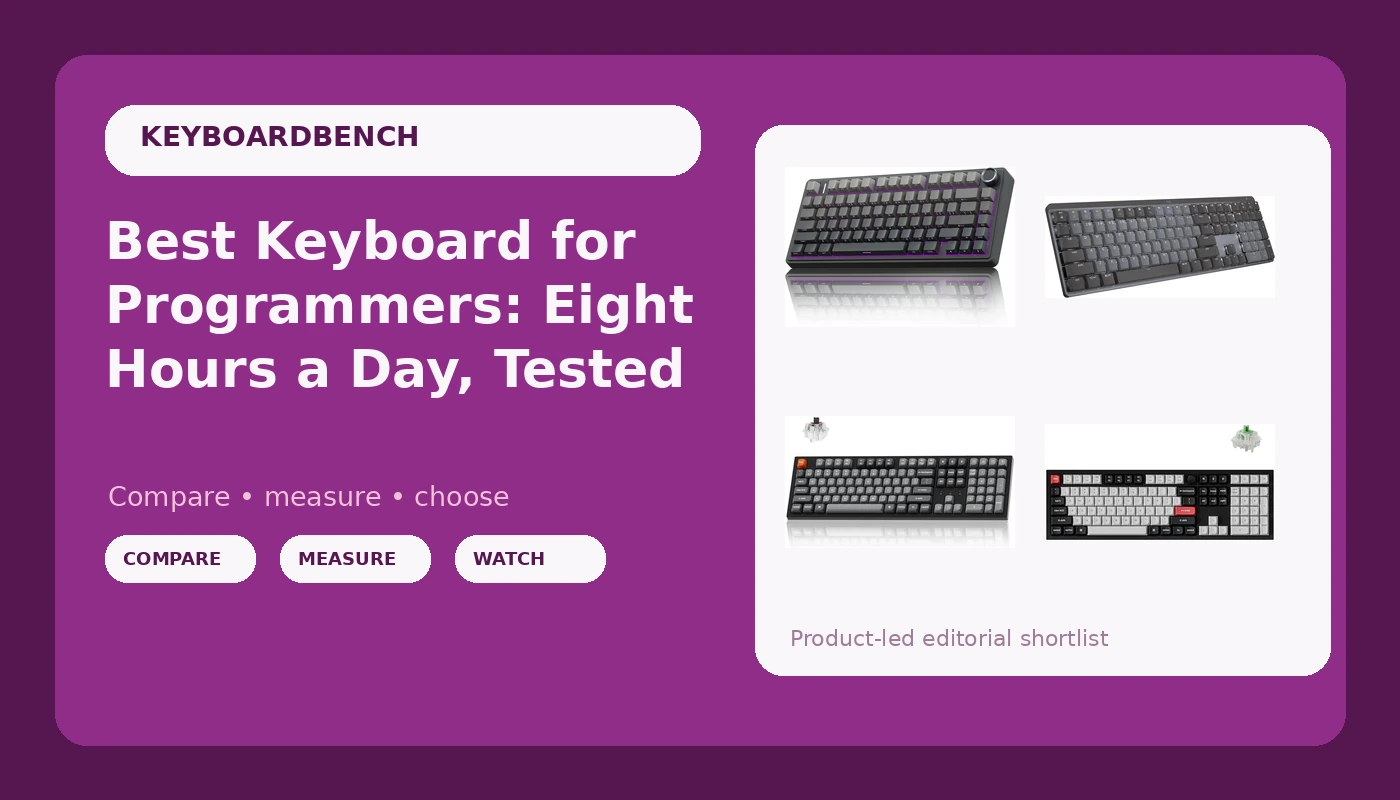
The AULA F75 Pro is advertised as a budget board that punches above its weight. But is it really the best keyboard for programmers when you're logging 40-plus hours a week on it? I've been typing on mine for a month straight, roughly 8 hours a day, next to a Logitech MX Mechanical that costs three times as much.
Here's the truth: the AULA is the board I reach for when the work is real, and the Logitech is the board I reach for when I want to feel like I'm driving a luxury car.
Both have flaws that will drive you nuts, and I'm going to tell you about those first.
AULA F75 Pro
Creamy gasket mount, absurd battery life, pre-lubed switches with zero scratch
Visit on Amazon →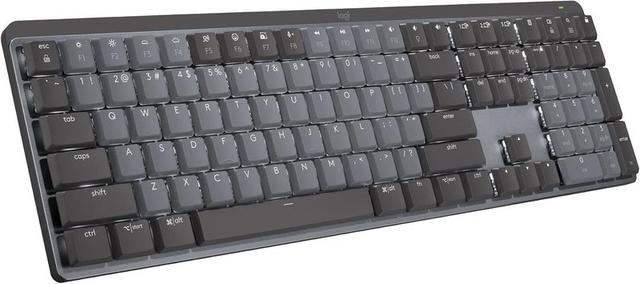
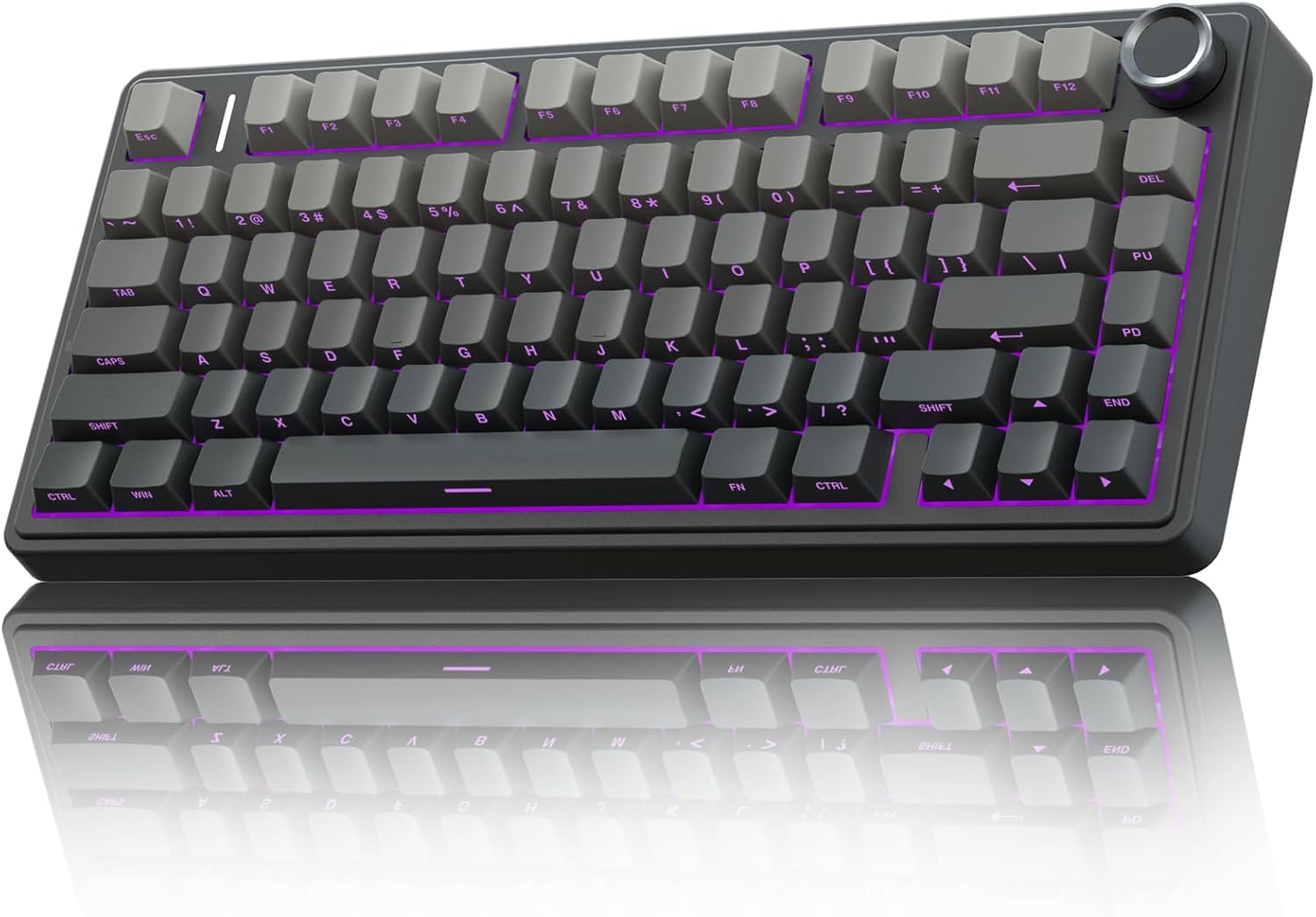
Logitech MX Mechanical Wireless Illuminated Performance Keyboard Clicky
Tank-like build, rock-solid wireless, premium feel
Visit on Amazon →
Keychron K10 Max QMK Wireless Custom Mechanical Full-Size Keyboard
The K10 Max is a wireless mechanical keyboard with a 100% layout. It supports 2.4 GHz, Bluetooth, and wired connections. Configurable through QMK and Keychron Launcher web app, it offers endless possi
Visit on Amazon →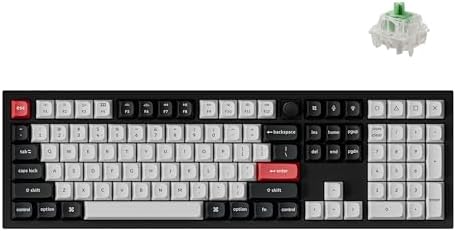
Keychron Q6 HE Wireless Custom Magnetic Keyboard 100% Full-Size Layout
Magnetic switches, rapid trigger, full aluminum build
Visit on Amazon →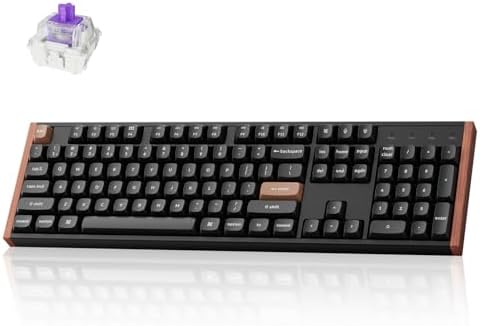
Keychron K10 HE Full-Size Hall Effect Keyboard Wireless, Rapid Trigger
Hall effect switches, full-size, wireless
Visit on Amazon →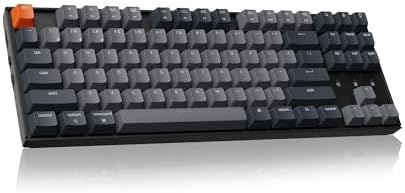
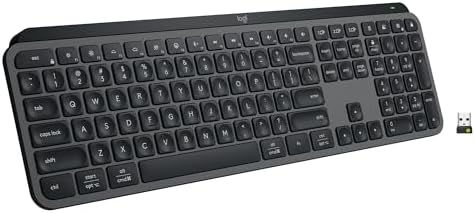
Logitech MX Mechanical Wireless Illuminated Performance Keyboard Clicky
The K10 Max is a wireless mechanical keyboard with a 100% layout. It supports 2.4 GHz, Bluetooth, and wired connections. Configurable through QMK and Keychron Launcher web app, it offers endless possi
Visit on Amazon →The AULA F75 Pro: The One That Made Me Write Grocery Lists for Fun
Let me get the complaint out of the way because it's the first thing you'll notice. The keycap legends are on the front of the keys, south-facing. "Letters on key cannot be seen from top" is the exact phrase that shows up in the reviews, and it's accurate.
If you're a touch typist, you won't care. If you're the kind of person who glances down at your keyboard during a meeting to find the F5 key, this will drive you to the brink.
I'm a touch typist, so it doesn't bother me, but I've had two coworkers try my board and immediately complain.
Everything else about this board is a "life upgrade." That's not my phrase, that's what owners call it, and I get it now. The first thing you notice is the thock. It's not the creamiest I've felt, but the Leobog Reaper switches are pre-lubed and "smooth to type on, has no scratchy noises." I found myself typing things I didn't even need to type, emails, notes, grocery lists, lorem ipsum paragraphs, just to hear it sing.
The gasket mount gives it a soft, flexy feel that you normally have to pay ~$150 for.
The battery is absurd. I kept checking the percentage because it refuses to go down. It became a ritual. I charged it three weeks ago and it's still sitting at 60% with RGB on for a few hours a day. With RGB off, owners report it runs on wizard energy.
The board is heavy too, dense plastic that doesn't show fingerprints, and it won't bounce around if you slam keys during a particularly spicy code review.
Here's the cost-per-use math I do in my head: ~$60 for a board I use 8 hours a day for work. That's pennies per hour of pure mechanical ASMR. My dog Ollie has knocked exactly one keyboard off my desk in his life, and it wasn't this one.
It's got heft. If you're on an RK61 or any other budget board and wondering if this is an upgrade, the answer is yes.
It's a "HUGE upgrade." One owner said it plainly: "quality exceeds my expectations by several miles."
The Logitech MX Mechanical: The Premium Workhorse With a Design Flaw
I want to love this keyboard. It KICKS TAIL, quality built product and worth every penny, at least until you hit the function row. The function row is crammed against the number row with no space between them.
I don't know what the designer was thinking, but you will accidentally hit the lock key instead of the minus key.
I spent my first week accidentally locking my Windows session mid-typing. It happened during a Slack message to my boss once.
I fixed it via software, but you shouldn't have to fix a ~$160 keyboard's layout with a workaround.
There's no Print Screen button. On a full-size keyboard. I take screenshots 50 times a day for work, and having to hit FN+F7 is a constant annoyance. It's not a dealbreaker, but it's the kind of thing that makes you wonder if anyone at Logitech actually types for a living.
The keys register high on the press. I got double keystrokes until I learned to be gentler. It's a learning curve, not a flaw, but it's a curve you don't get with the AULA. And for a keyboard this expensive, the sound is clacky.
Not creamy, not thocky. If you're a sound snob, this isn't the board for you. I personally like creamy and thocky keyboards, so this sounded a bit too clacky for my liking.
But here's the thing: this is a workhorse. It's built like a tank, the wireless is rock-solid, and it's the keyboard you buy when you want a "NICE one" and are "willing to pay a little more." It's not the enthusiast's choice.
It's the professional's choice. The switches are soldered though, which annoys me. In 2026, there's no excuse for soldered switches on a board over ~$50.
Hot-swap is non-negotiable, and Logitech didn't get the memo.
The Keychron K10 Max: The Full-Size Contender
Keychron makes solid boards, and the K10 Max is no exception. It's a full-size layout, which is rare in the enthusiast world, and it's got QMK customization, which means you can remap every single key to your heart's content. That's a big deal for programmers who want their keyboard to match their workflow exactly.
The typing feel is good, but it's not gasket mounted, so you don't get that flexy, soft bottom-out that the AULA has. It's heavier too, which is fine on a desk but annoying if you like to move your board around. The sound is decent, a bit more muted than the AULA, but not as creamy.
Choose this one if you need the numpad for data entry or if QMK is non-negotiable. Skip it if you want the flexy feel of a gasket mount at a lower price.
The Keychron Q6 HE: The Overkill Option
This is the board that makes my wallet wince. Magnetic switches with rapid trigger, full aluminum build, and a price tag around ~$200. It's a beautiful piece of hardware, but for typing? It's overkill. The rapid trigger is designed for gaming, and while the magnetic switches are smooth, they don't have the satisfying bottom-out that I look for in a work board.
If you're a programmer who also games and wants one board to rule them all, this could be it. But if you're just typing all day, the AULA does 90% of what this does for a third of the price.
The Keychron K10 HE: New Tech, Unproven
Hall effect switches are the new hotness, and the K10 HE brings them to a full-size layout. The rapid trigger is cool, and the wireless is solid. But I'm skeptical about long-term durability, and the price is steep for a board that's still proving itself. If you want to be an early adopter, go for it. If you want a reliable workhorse, there are better options.
The Keychron K8: The Old Reliable
This is the board I recommended before the AULA came along. It's a TKL, it's reliable, and it works great with Macs. But compared to the gasket-mounted budget boards of today, it feels dated. The stabilizers rattle a bit, and the sound is nothing special. It's a fine board, but it's not exciting.
The Logitech MX Keys S: Not Mechanical, But Hear Me Out
This isn't a mechanical keyboard, so it's not really in my lane. But if you're a programmer who wants something quiet and low-profile for an office environment, the MX Keys S is excellent. The keys are fluid and precise, and the battery life is great. But you won't get the thock, and you won't get the tactile satisfaction of a mechanical switch. It's a tool, not a hobby.
The RK61: The Baseline
Every keyboard reviewer has a "before" board, the one that started it all. For me, and for a lot of people, it's the RK61. It's cheap, it's compact, and it's fine. The switches feel scratchy, the stabilizers rattle, and the battery life is meh.
But it's ~$30 to ~$40, and it gets you into the hobby. If you're on an RK61 and wondering if the AULA is worth it: yes.
It's not even close. The AULA makes the RK61 feel like a toy.
Sound Signatures: Creamy vs. Clacky vs. Thocky
This is the most important thing I can teach you, because it's the number one pre-purchase question and nobody explains it properly.
Creamy is a deep, buttery sound. It's the bottom-out that feels like the key is melting into the board. The AULA F75 Pro with the Leobog Reapers is close to this, though not the creamiest I've felt.
Clacky is sharper, higher-pitched. It's the sound of a key hitting the plate without enough dampening. The Logitech MX Mechanical is clacky. It's not bad, some people prefer it, but it's not the mechanical ASMR that most people are chasing.
Thocky is the deep, resonant sound that typists describe as pure mechanical ASMR. It's the bottom-out sound of a well-lubed switch in a gasket-mounted board with good foam. It's what people mean when they say a board sounds expensive.
If you don't know what you like, get the AULA. It's the best middle ground between creamy and clacky at any price.
Which One Should You Buy?
Choose the AULA F75 Pro if you want the best typing experience for the money and you don't look at your keys. The south-facing legends are a real con, but if you can get past that, this board is a revelation. It's the one I use for work, and it's the one I recommend to anyone who asks.
Choose the Logitech MX Mechanical if you want a premium workhorse with rock-solid wireless and you can live with the function row spacing and the missing Print Screen. It's a professional's board, not an enthusiast's.
Choose the Keychron K10 Max if you need a full-size layout with QMK. Choose the Q6 HE if you want to spend ~$200 on a board that does more than you need. Choose the MX Keys S if you're in an office and need something quiet.
I don't track prices day to day, so I won't pretend to know next week's. But at these price points, the AULA is the best keyboard for programmers who want to feel the difference between typing and just pressing keys. My bottom line: buy the AULA first. If you love it, you've saved ~$100. If you want more, the Logitech will be waiting.